With the launch of Open Doors’ 2026 World Watch List, we take a look at the countries around the world where faith costs the most
As Open Doors’ 2026 World Watch List launches, it’s a good time to remember followers of Jesus who risk everything for their faith. In fact, this year’s research found that more than 388 million people around the world face high levels of discrimination and persecution because they are Christians – that’s 1 in 7 believers, worldwide.
Out of the 2026 World Watch List, these 10 countries are where the restrictions and risk are most severe. But it’s also important to remember that’s not the whole story.
In Matthew 19, Jesus reminds His followers that things that seem impossible with humans are possible with God. That’s why there are still Christians in each of these places … places where faith should be impossible. As you read through the situation in these 10 countries, remember to pray for Christians there; but also remember to praise God for His faithfulness.
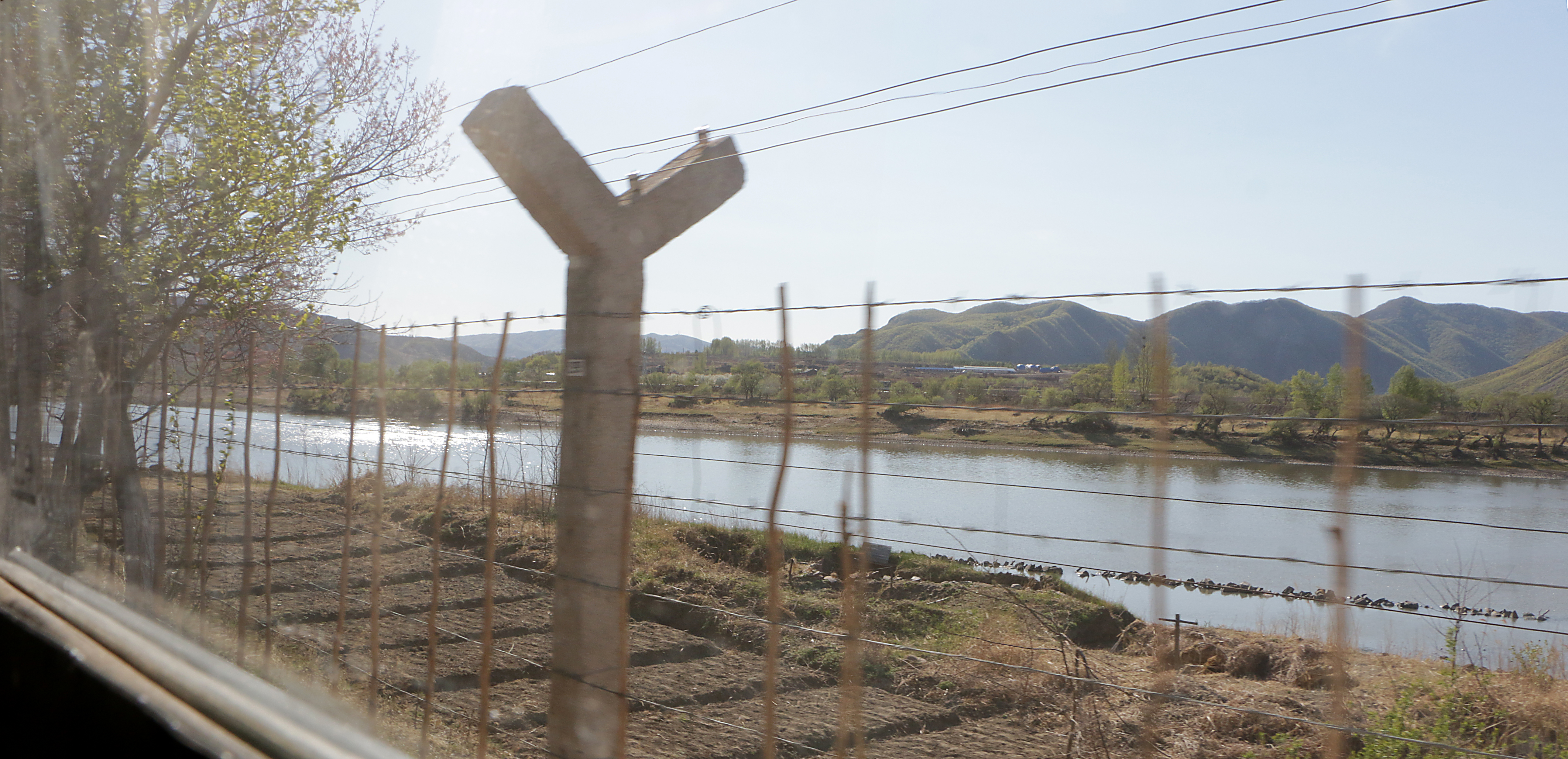
1. North Korea
“Despite these dangers, the underground church in North Korea is alive. It worships not with sound, but with whispered prayers and memorized Scripture. Believers continue to follow Christ with quiet courage, deep faith and a willingness to give everything for the sake of the gospel.” – North Korean Christian in September 2025
North Korea is arguably the most dangerous place on earth to follow Jesus. If someone is discovered to be a Christian, the consequences are unimaginably stark: either imprisonment in one of the country’s notorious labor camps, with little hope of release, or immediate execution. The same fate is likely to await other family members.
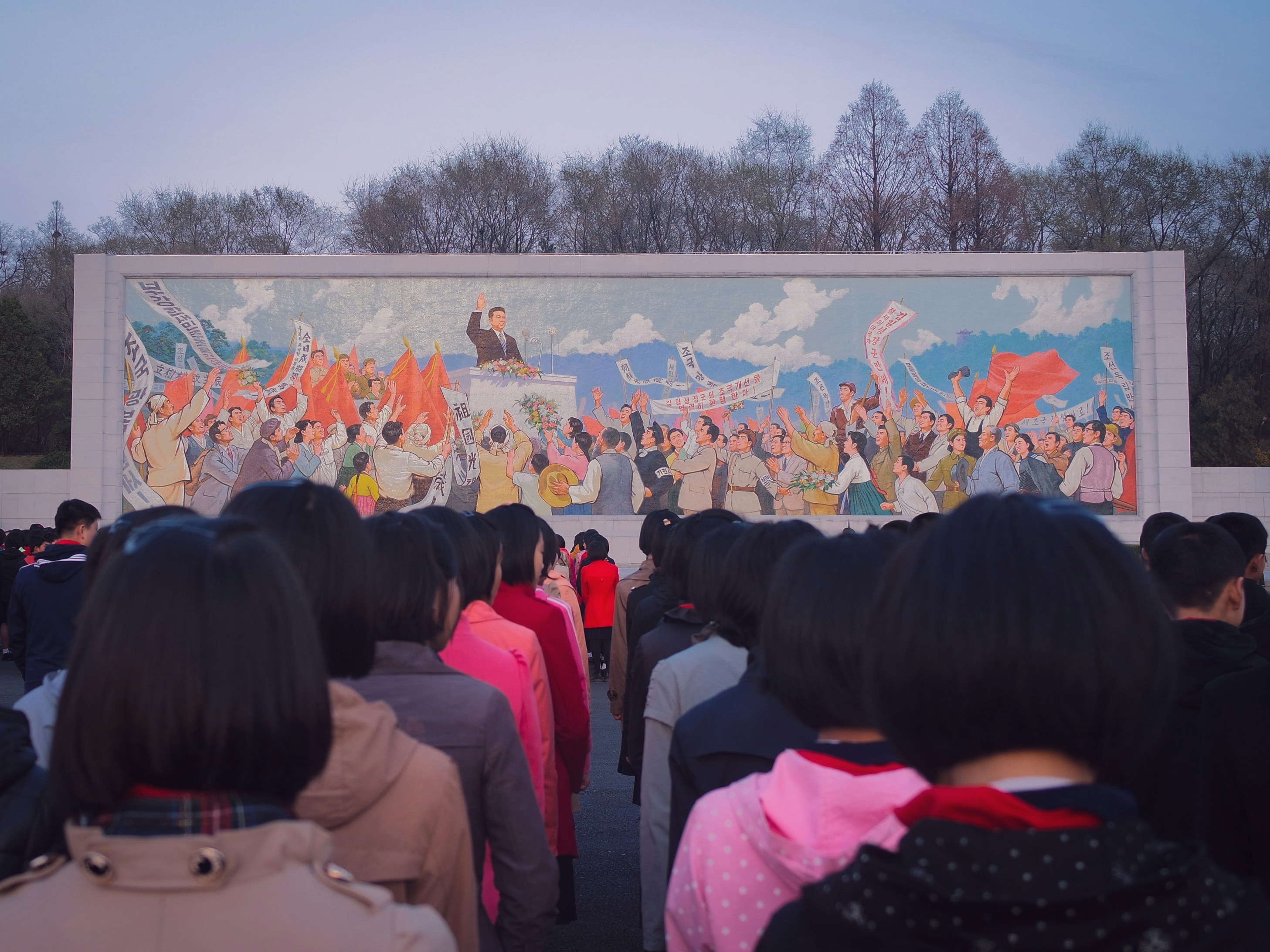
While the church buildings displayed in the capital Pyongyang might suggest a degree of tolerance, this is propaganda. The reality is very different. Christianity has no place in North Korea, a country where homage must be directed one way only: towards the Kim regime. With watchful eyes everywhere – even from neighbors and family – even the slightest hint of worshipping Jesus can have devastating consequences. Remarkably, believers do gather, but in utmost secrecy and at enormous risk.
Recent years have seen conditions worsen further for North Korea’s secret believers. This is largely due to the “anti-reactionary thought law,” introduced in 2020, which made it even clearer that being a Christian and owning a Bible are regarded as serious crimes. The law has reinforced just how much of a threat Christianity is seen to be by the country’s unbending regime.
2. Somalia
“[My father] said, ‘I cannot stop you from reading your Bible, but if you become a Christian, I will be the one to kill you.’” – Aweis, a Christian from Somalia who serves the Somali church across the Horn of Africa. At one point, Aweis was part of an underground church, but only two members remain. The rest have been martyred.
Christians in Somalia live in one of the harshest environments in the world, a place where openly following Jesus is impossible. In Somalia as a whole, it is illegal to convert from Islam to Christianity under the 2012 Provisional Constitution. Sharia (Islamic law) is upheld in all regions and this, coupled with social and clan pressure, forces Christians to practice their faith in secret and isolation. Conversion to a different religion is seen as betrayal and dishonoring to country, clan and family. This can lead to violence, being disowned by family (which in clan-based Somalia leaves individuals highly vulnerable) and even execution, often by family members. Christians have no legal protection. Officials participate in or condone surveillance, harassment and intimidation – creating an environment where Christianity is criminalized.
In certain areas of the country, the militant extremist group Al-Shabaab has grown in dominance due to a worsening political and security situation that has created a leadership void. This group wishes to eradicate Christianity and openly executes anyone suspected of being a Christian.
3. Yemen
“God is opening doors and many people are interested and want to learn more about Jesus. When I meet with people, I try to meet with them in public spaces to avoid any security issues.” – Khaled* (name changed), who, at high personal cost, encountered Jesus through a YouTube channel.
The dangers facing Christians in Yemen continue to escalate amid an unrelenting tide of conflict, extremism and economic collapse.
The indigenous church consists mainly of converts from Islam, who must practice their faith in absolute secrecy. A Christian’s discovery can be deadly because in Yemen, apostasy is legally punishable by death. Believers can also suffer in other ways, including divorce and separation from their children. Yemen’s fragmented, weak rule of law only increases the dangers facing Christians.
Places of worship that are not Muslim haven’t been authorized for years, and non-Islamic groups cannot formally register with authorities. . Most non-Yemeni Christians have fled the country because of the danger, with many registered churches either ransacked or destroyed. It means that Yemen’s native Christian population comprises mostly converts who must gather in secret – and at enormous risk.
While all Yemenis suffer under one of the world’s worst humanitarian crises, Christians are particularly vulnerable. Emergency aid is typically distributed through mosques to local Muslims, who discriminate against those not considered to be devout Muslims.
4. Sudan
“We don’t know what this new Sudan will look like after the war, but I think this is a time for the church to stand up for [our] rights to ensure we have a place and a voice.” – Rafat Samir, a Sudanese church leader and chairman of the Evangelical Community Council for Sudan.
The situation for Christians in Sudan has long been difficult, but right now, the Christian community in Sudan is going through a severe, growing crisis and population displacement. This reality stems from the 2021 military takeover and the brutal civil war that started in 2023. The government reinstated oppressive figures, brought back cruel “morality policies,” and is using old Islamic laws to justify forcing people to convert or endure physical punishment. This has completely undone the advances in religious freedom made after the oppressive al-Bashir regime was overthrown in 2021.
The country rose one rank from Open Doors’ 2025 World Watch List. Many church buildings have been bombed, taken over and used as bases by militias and radical groups. Christians face intense discrimination everywhere – in courts, the workplace and schools.
Converts from Islam live in constant fear and face intense threats, including social isolation, violence from militias and rejection from their families. Historical Christian communities suffer forced church closures, church-registration denials and even destruction of their buildings. Faith leaders and expatriates increasingly experience arbitrary arrest and detention due to the ongoing conflict.
5. Eritrea
“We live in fear of who will be arrested next. Will it be another brother in Christ? Will it be me? But we must continue to walk with God. We build upon what others have done before us.” – Paulos* (not his real name), an Eritrean Christian, September 2024
Eritrea is one of the world’s most difficult places to be a follower of Jesus. The government recognizes only four religious groupings— excluding most Evangelical and Pentecostal groups, who are treated as illegal. Christians who worship outside state-sanctioned churches face intense surveillance, violent police raids and indefinite imprisonment – often in brutally shocking conditions. Converts from Islam or the Eritrean Orthodox Church also risk rejection by their families and social exclusion, in addition to state persecution.
The militarized nature of society compounds repression. People who are forcibly drafted into the military face an indefinite period of service. There is no leniency for anyone unwilling to serve, and Christians in the military caught worshipping are punished severely. Christians face a devastating dilemma: endure persecution and forced service or flee the country through routes made hazardous by trafficking, danger and the risk of torture.
6. Syria
“The trauma of what happened hit us all hard. We have mixed feelings of anger and question why this had to happen again. We thought getting rid of the previous regime would give us some sense of freedom, yet it seems there are still people who only believe in killing.” – Mourad* (name changed), after the June 2025 Damascus church attack. He is responsible for the work of Open Doors’ local partner in Syria.
The situation for Christians in Syria has grown more dire in the last year. Syria jumped to ranking in the World Watch List’s top 10, with pressure and violence spiking sharply compared with last year. A year ago, Syria was ranked 18, and this year it is number 6. This reflects the reality that Syria is now at its most dangerous since the Islamic State of Iraq and Syria (ISIS) group occupied significant swathes of territory.
Since the fall of the Assad regime in December 2024 – after ruling Syria for more than 50 years – the country has been mostly controlled by forces led by Hay’at Tahrir al-Sham (HTS). This is an Islamic extremist group with roots in Al Qaeda. The group has made overtures towards moderation and held talks with representatives of Syria’s traditional Christian communities, but it is too soon to know what will result from the new leadership.
Since the regime change, widespread instability has led to deadly clashes that have affected other religious minorities, particularly Druze and Alawites, with Christians caught in the crossfire. The resurgence of military operations by the Islamic State group since October 2024 reinforces a sense of insecurity. These include a deadly attack on a church in Damascus in June 2025.
7. Nigeria
“The one that carried me on his motorbike, he asked why I was crying. I told him I am married, but he said, ‘If [your] husband was strong, he would have rescued you from [our] hands.’” – Rifkatu* (not her real name), a Nigerian Christian who was abducted and raped by Fulani militants
In Nigeria, Christians suffer significant and severe persecution – to such a degree that Nigeria is once again the most violent place in the world for followers of Jesus. Violence continued unabated in Nigeria, which is why it continues to be ranked in the top 10 of the World Watch List. In multiple instances, hundreds of Christians were killed or displaced because of attacks from Islamic militants. Most of these attacks were carried out by militant Fulani herdsmen, who continue to target Christian communities, leading to the displacement of millions of Christians. Attacks are also carried out by Boko Haram and Islamic State West Africa Province, along with new extremist groups that are emerging.
In northern Nigeria, 12 states have implemented Islamic law, creating a system where Christians live as second-class citizens, and conversion from Islam can be severely punished.
In recent years, violence has increased and spilled into southern states. Much of it is perpetrated by Fulani militants hiding in the forests. Another contributor to insecurity for Christians in the southeast is the Indigenous People of Biafra (IPOB), a separatist group trying to carve out its own nation. IPOB has also oppressed and persecuted Christians, particularly Christian leaders who do not conform to their ideological requirements.
8. Pakistan
“Jesus allowed these attacks to draw us closer to Him. In one evening, thousands of Christians cried out in the streets – some on their knees, some with their hands in the air, others with faces buried in each other’s shoulders. But all cried out to Jesus.”
– Maliha* (name changed), a university teacher among the Christians in Jaranwala who has experienced God’s love and power in the wake of attacks two years ago
As a minority in Pakistan, Christians are exposed to many challenges, from everyday discrimination to the threat of deadly violence.
Increasingly, Pakistan’s notorious blasphemy laws are used to intimidate Christians and other religious minorities. Often, they are used to target believers during unrelated feuds, such as disputes over land. Even an accusation can provoke mob violence against victims, as well as their families and the wider Christian community. Weak government and the growing influence of extreme Islamic groups mean that Christians have limited protection from the law, adding to their vulnerability.
Most Christians descend from an “untouchable” caste of sweepers and continue to face institutionalized discrimination. Many live in poverty, trapped in a cycle of bonded labor that entrenches their position on the margins of Pakistani society.
Christians from a Muslim background can face severe repercussions for choosing to follow Jesus. These threats come from families and radical Islamic groups who see conversion as a shameful act of betrayal.
9. Libya
Unfortunately, the situation is so dangerous in Libya that we can’t publicly disclose specific information about any believers there.
Libya fell by five positions on this year’s World Watch List, mainly due to a decrease in verifiable violent incidents. But it remains an incredibly dangerous place for anyone who follows Jesus, and most Christians in Libya are forced underground.
The absence of a single central government to impose law and order has made the situation for Christians precarious. The level of violence against Christians in Libya is categorized as “very high.” Since the arrest of several Libyan Christians in March 2023, different authorities have stepped up their monitoring of Christian activities on the internet. Libyan Christians from a Muslim background face intense pressure from their families and community to renounce their faith. All practice their faith in secret.
Foreign Christians, mostly from other parts of Africa, are targeted by various Islamic extremist groups and organized criminal gangs. These groups traffic and kidnap foreign Christians and demand ransoms, or force believers into hard labor. Their Christian faith makes believers more vulnerable to such abuse. Each year, many migrant Christians are believed to die at sea while trying to reach Europe, or die from abuse in detention camps.
10. Iran
“A blank paper was brought in front of me, and a deep voice said, ‘If you write here that you regret becoming a Christian, that you want to return to Islam, then we can help you avoid court.’ I kept silent for a moment, then said calmly: ‘That’s not a confession, that’s a forced lie. I won’t write down something I don’t believe.’” – Despite intense persecution from the authorities for her faith, including interrogation, Shima* continues to serve in a house church, helped by the support of Open Doors partners outside of the country.
Christians in Iran are heavily and systemically repressed, as the authorities seek to root out what they see as a threat from the West to undermine their Islamic rule.
Although the country fell by one position on the World Watch List, its persecution score increased. The conflict between Israel and Iran has intensified the oppression of converts, who are often seen as sympathizing with “the West.” In the immediate aftermath of the ceasefire with Israel, at least 54 Christians were arrested in 21 cities. State media accused the 54 Christians of committing espionage. The news report suggested links between Evangelical Christians and foreign intelligence services, a narrative that paints an entire faith community as a security threat, gravely adding to their vulnerability.
Converts are most in the firing line. House churches are commonly raided, often followed by arrests, interrogations, pressure to inform on other believers and long-term imprisonment. This is typically under charges of breaching “national security.” The conditions in prison are dire, and bail sums can be extortionately high, financially paralyzing families. Believers who are released are typically required to adhere to strict conditions, such as exile to another part of Iran, or self-censorship. They can also face hostility from families and local communities. Each year, thousands of converts flee Iran to escape persecution.
Parliament also rushed through a new espionage bill that introduces the death penalty under broad definitions, granting the government sweeping powers to punish perceived dissent. Following the Iran-Israel war, the government now publicly brands converts as spies and collaborators.
Despite being recognized by the state, the historical Armenian and Assyrian Christian communities are treated as second-class citizens, facing discrimination in employment, marriage laws and inheritance laws. They are also banned from using the Persian language in religious activities and for religious materials, and are not allowed to engage with Persian-speaking people in church services. Foreign Christians encounter scrutiny, with some churches having closed after converts attended.
We pray you will use this top 10 list and the country profiles of all 50 countries on the 2026 World Watch List to pray informed prayers and connect deeply with your persecuted family.
*Name changed to protect security